-
Your Trusted Service Provider
- +91 8083256664
-
Rajeev Nagar Road No -0, Patna, Bihar
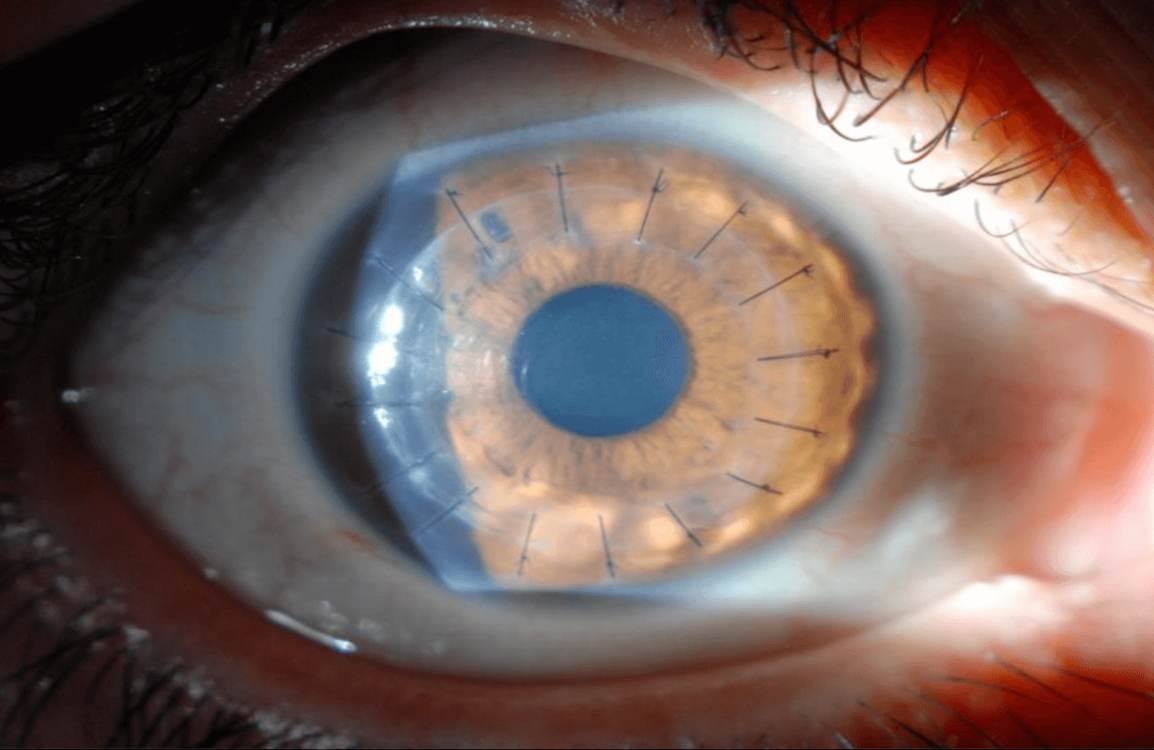
Cornea eye surgery
At our centre our surgeon is an expert corneal surgeon and has vast past experience of performing large number of corneal surgeries including Penetratring Keratoplasty[PK], Lemellar keratoplasty[LK], Deep Anterior lemellar Keratoplasty, DSEK etc. Very soon we are going to start our kratoplasty services once we get permission from Dept of health,Govt of Bihar.
Keratoconus With current methods using rigid contact lens or intra corneal ring segments, only the refractive error (spectacle numbers) can be corrected, but it has very little effect on the progression of keratoconus. It is estimated that eventually 21% of the keratoconus patients require surgical intervention to restore corneal anatomy and eyesight. A new non surgical, non invasive treatment, based on collagen cross linking with Ultraviolet A (UVA, 365nm) and riboflavin (Vitamin B 2), a photosensitizing agent is now available. This changes the intrinsic biomechanical properties of the cornea, increasing its strength by almost 300%. This increase in corneal strength has shown to arrest the progression of keratoconus in numerous studies all over the world.
What is Collagen Cross-linking? : A treatment for keratoconus which has shown great success is Corneal Collagen Crosslinking with Riboflavin (C3-R®*) or CXL, a one-time application of riboflavin eye drops to the eye. The riboflavin, when activated by approximately 30 minutes illumination with UV-A light, augments the collagen cross-links within the stroma and so recovers some of the cornea’s mechanical strength. C3-R®*, developed at the Technische Universität Dresden, Germany has been shown to slow or arrest the progression of keratoconus, and in some cases even reverse it, particularly when applied in combination with intracorneal ring segments.
How is the treatment done? The treatment is performed in our operation theatre under complete sterile conditions. Usually, only one eye is treated in one sitting. The treatment is performed under topical anesthesia (using anesthetic eye drops). The surface of the eye (cornea) is treated with application of Riboflavin eye drops for 30 minutes. The eye is then exposed to UVA light for 30 minutes. Hence, the treatment takes about an hour per eye. After the treatment, antibiotic eye drops are applied; a bandage contact lens may be applied, which will be removed by our doctor during the follow up visit. Protective eye wear, such as sunglasses (also given by us) is to be worn for a few days until complete healing takes place.